Palo Alto vs FortiGate Firewall: Key Differences
Firewalls are one of the most important parts of modern network security. Whether you are protecting a small business or a large company, choosing the right firewall can make a huge difference.
Today, two names dominate the firewall market Palo Alto Networks and Fortinet FortiGate. Both are powerful Next Generation Firewalls (NGFWs), but they are designed with different strengths and approaches.
If you are a networking student, cybersecurity enthusiast, or IT professional, understanding the differences between these two firewalls will help you make better career and business decisions.
If you’re planning to build a career in network security, joining a Palo Alto Firewall Training in Chennai can give you hands-on experience with one of the most in-demand enterprise security technologies.
Let’s understand everything in simple language.
What is a Next Generation Firewall?
A traditional firewall mainly blocks or allows network traffic based on IP addresses and ports.
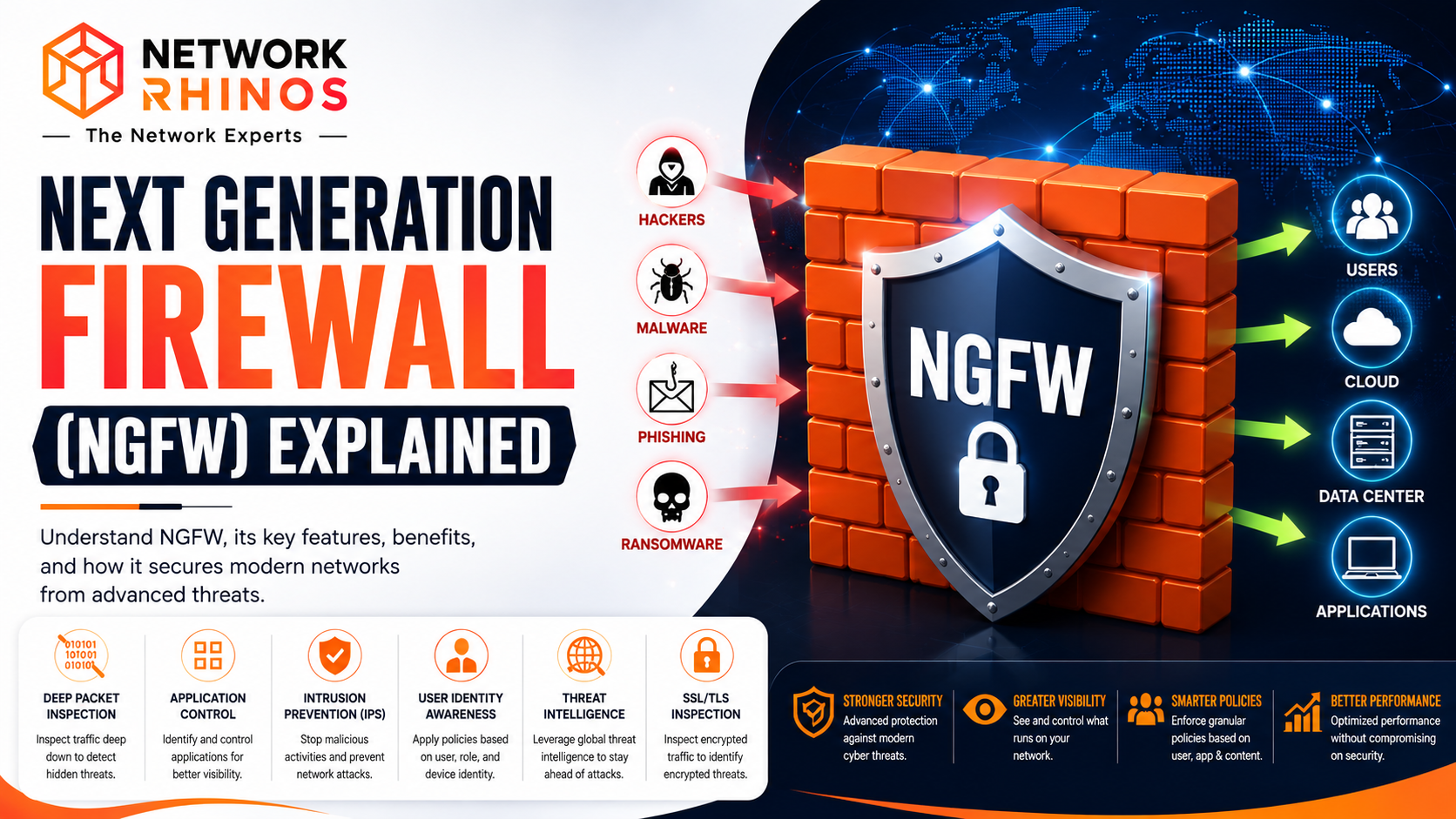
A Next Generation Firewall (NGFW) goes much further.
It can:
- Detect malicious applications
- Prevent cyber attacks
- Identify users
- Inspect encrypted traffic
- Stop malware and ransomware
- Control applications like Facebook, WhatsApp, YouTube, etc.
Both Palo Alto and FortiGate are Next Generation Firewalls, but they use different technologies to achieve these goals.
What is Palo Alto Firewall?
Palo Alto Networks developed one of the world’s most advanced enterprise firewalls.
Instead of simply checking ports, Palo Alto identifies:
- Users
- Applications
- Content
- Threats
This gives administrators much better visibility over network traffic.
Some popular features include:
- App-ID Technology
- User-ID
- Content-ID
- Threat Prevention
- URL Filtering
- DNS Security
- WildFire Malware Analysis
- Zero Trust Security
Palo Alto is widely used by banks, multinational companies, healthcare organizations, and government sectors.
What is FortiGate Firewall?
FortiGate is developed by Fortinet and is well known for providing excellent security at a competitive price.
It combines several security services into one device.
These include:
- Firewall
- VPN
- Antivirus
- IPS
- Web Filtering
- Application Control
- SD-WAN
- Email Security
FortiGate is popular among:
- Small businesses
- Medium-sized companies
- Schools
- Colleges
- Hospitals
- Enterprises
It is known for delivering high performance with lower hardware requirements.
Palo Alto vs FortiGate: Key Differences
Although both products are excellent, they differ in several important areas.
1. Security Approach
Palo Alto focuses heavily on application-based security.
Instead of asking, “Which port is being used?”, it asks, “Which application is generating this traffic?”
This provides much deeper inspection and better control.
FortiGate also offers application control but focuses on delivering balanced security with speed and affordability.
2. Performance
FortiGate is famous for its custom-built security processors.
These hardware chips allow the firewall to inspect traffic at very high speeds without slowing the network.
Palo Alto provides excellent performance too, but many organizations choose it more for advanced security features than raw speed.
3. User Interface
Palo Alto has a modern and easy-to-understand graphical interface.
Most administrators find policy creation and troubleshooting straightforward.
FortiGate also has a user-friendly interface, although some advanced settings may require more familiarity.
Both platforms support command-line configuration as well.
4. Threat Prevention
Palo Alto has one of the industry’s strongest threat prevention systems.
Its WildFire cloud service analyzes unknown files in real time.
If malware is detected, protection is automatically shared across devices.
FortiGate also provides excellent threat protection through FortiGuard Security Services, offering antivirus, intrusion prevention, and web filtering.
5. VPN Capabilities
Both firewalls support:
- Site-to-Site VPN
- Remote Access VPN
- SSL VPN
- IPSec VPN
FortiGate is often appreciated for its quick VPN deployment, especially for remote workers.
Palo Alto provides highly secure VPN connections with detailed security policies.
6. SD-WAN Features
Modern businesses use SD-WAN to improve internet performance.
FortiGate includes strong built-in SD-WAN capabilities, making it a popular choice for organizations with multiple branches.
Palo Alto also supports SD-WAN but often requires additional planning depending on the deployment.
7. Pricing
One of the biggest differences is cost.
FortiGate generally offers a lower purchase price and lower overall ownership cost.
Palo Alto is usually more expensive because of its advanced security capabilities and enterprise-level features.
Many organizations consider the higher investment worthwhile for stronger protection.
Which Firewall is Easier to Learn?
For beginners, both firewalls are good learning options.
Palo Alto offers a clean interface with logical policy management, making it easier to understand how modern firewalls work.
FortiGate is also beginner-friendly and is widely used by businesses around the world.
Learning either firewall increases your chances of getting hired in networking and cybersecurity roles.
Which Firewall is Better for Enterprises?
Large enterprises often choose Palo Alto because of:
- Advanced threat detection
- Better application visibility
- Strong Zero Trust implementation
- Excellent cloud security integration
Organizations handling sensitive customer information often prefer Palo Alto for these reasons.
Which Firewall is Better for Small Businesses?
FortiGate is a popular choice because it offers:
- Affordable pricing
- High performance
- Easy deployment
- Multiple security services in one device
It gives excellent value for businesses with limited IT budgets.
Career Opportunities After Learning Firewall Technologies
The demand for firewall professionals continues to grow every year.
Companies need skilled engineers to protect their networks from cyber threats.
Some popular job roles include:
- Network Security Engineer
- Firewall Administrator
- SOC Analyst
- Security Consultant
- Cybersecurity Engineer
- Network Engineer
- Infrastructure Engineer
Having firewall knowledge along with networking skills can significantly improve your career opportunities.
Why Should Students Learn Palo Alto?
Palo Alto certifications are respected worldwide.
Learning this technology helps you understand:
- Enterprise network security
- Threat prevention
- Application control
- Network visibility
- Cloud security
- Zero Trust architecture
If you want practical experience, enrolling in a Palo Alto Firewall Training in Chennai allows you to work on real firewall configurations, security policies, VPN setup, NAT, user authentication, and threat prevention. Hands-on practice helps you become confident before attending interviews or working in production environments.
Tips Before Choosing Between Palo Alto and FortiGate
Before selecting a firewall technology, think about:
- Your career goals
- The type of companies you want to work for
- Your learning budget
- Certification opportunities
- Hands-on lab availability
If you want to work with large enterprises, Palo Alto is an excellent choice.
If you want broader exposure across businesses of different sizes, FortiGate is also highly valuable.
Many experienced network security engineers eventually learn both platforms.
Final Thoughts
There is no single “best” firewall for everyone. Both Palo Alto and FortiGate are trusted by organizations across the world and provide excellent protection against modern cyber threats.
Palo Alto stands out with its advanced application awareness, threat intelligence, and enterprise-grade security. FortiGate shines with its impressive performance, integrated features, and cost-effective solutions.
For students and professionals, the best approach is to first understand firewall fundamentals and then gain practical experience with at least one leading platform. As your career grows, learning both technologies will make you even more versatile and valuable in the job market.
If you’re serious about building a future in network security, enrolling in a practical firewall certification course can be the first step. With expert guidance, real-world labs, and industry-focused learning, you’ll be better prepared for certifications, interviews, and real enterprise environments.